AbleToTherapy+
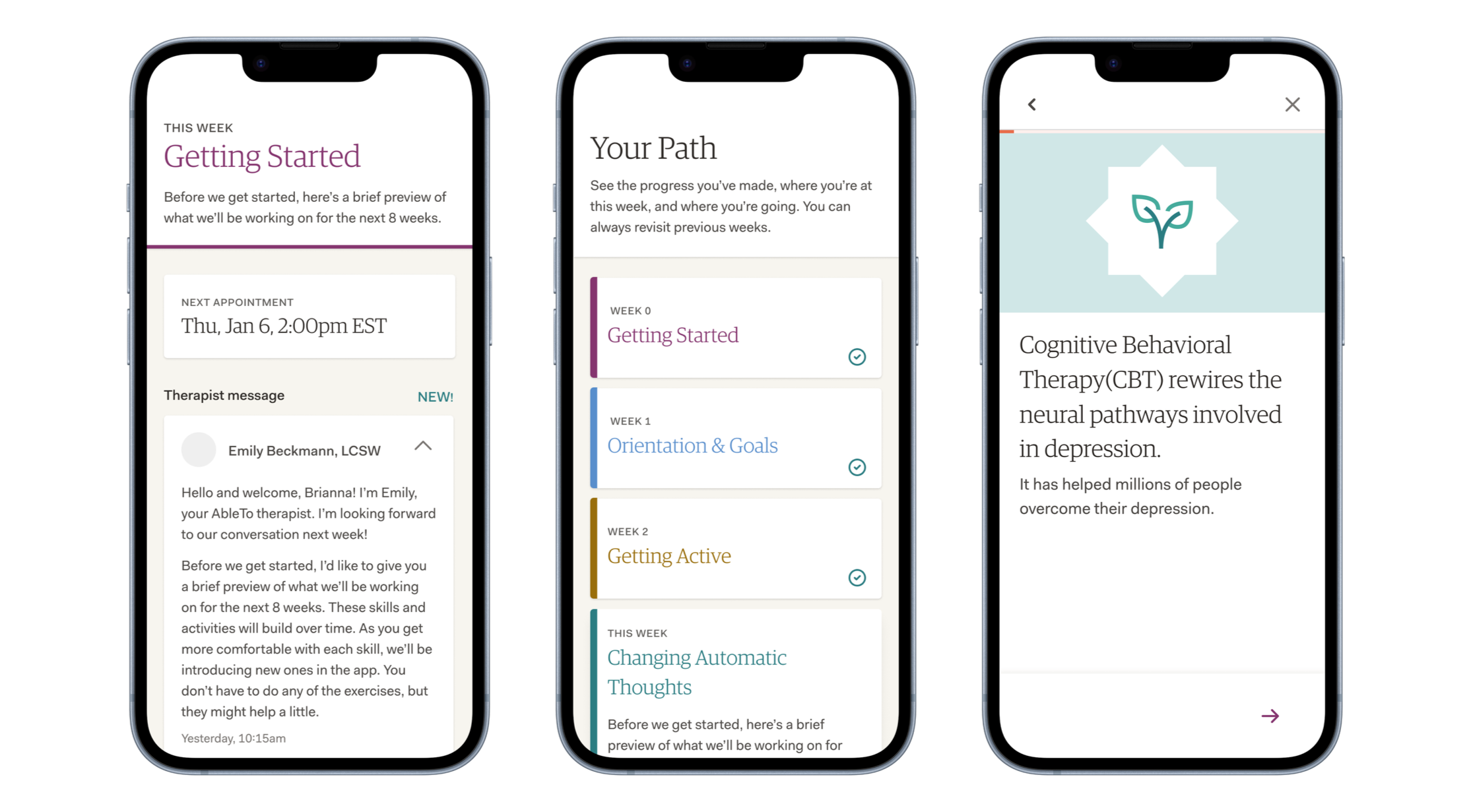
The Therapy+ vision was centered on transforming a rapidly launched COVID-era MVP into a thoughtful, scalable product grounded in real user needs. With access to users and a relaunch on the horizon, the work focused on rethinking core experiences, redesigning the interface, and aligning the product with a new brand system. Through user input and iterative design, Therapy+ evolved from a collection of assumptions into a cohesive, validated experience. This foundation enabled the product to move confidently from MVP to launch while establishing sustainable design systems to support continued iteration and growth.
Lead Designer
Product Designer (me)
Product Manager
Engineers (5)
TeamTimeline6 Months
A Product built for speed, not validation
Therapy+ was launched rapidly in response to COVID-19, prioritizing speed over user validation. While this enabled early delivery, it left the product shaped by assumptions rather than a clear understanding of patient and provider needs.
ContextFragmented experience and design debt
As the product matured, gaps in usability, information architecture, and visual consistency became increasingly apparent. Without a cohesive design foundation or alignment to evolving brand standards, iterating on the experience was difficult and inefficient.
An opportunity to reset
With access to real users and a relaunch on the horizon, the team had an opportunity to step back and intentionally redesign Therapy+. This moment allowed the product to be grounded in user insights, aligned with a new brand system, and built on a foundation that could scale over time.
How might we redesign Therapy+ to move beyond a speed-driven MVP and deliver a user-validated, brand-aligned experience built to scale?
Design ApproachAuditing the experience for best practice
1
We began by grounding the work in context. This included evaluating industry best practices for digital therapy products, auditing the existing information architecture, and identifying gaps across core workflows. In parallel, we recruited patients and therapists to understand where the product was falling short and which assumptions needed to be challenged.
Co-creating with real users
2
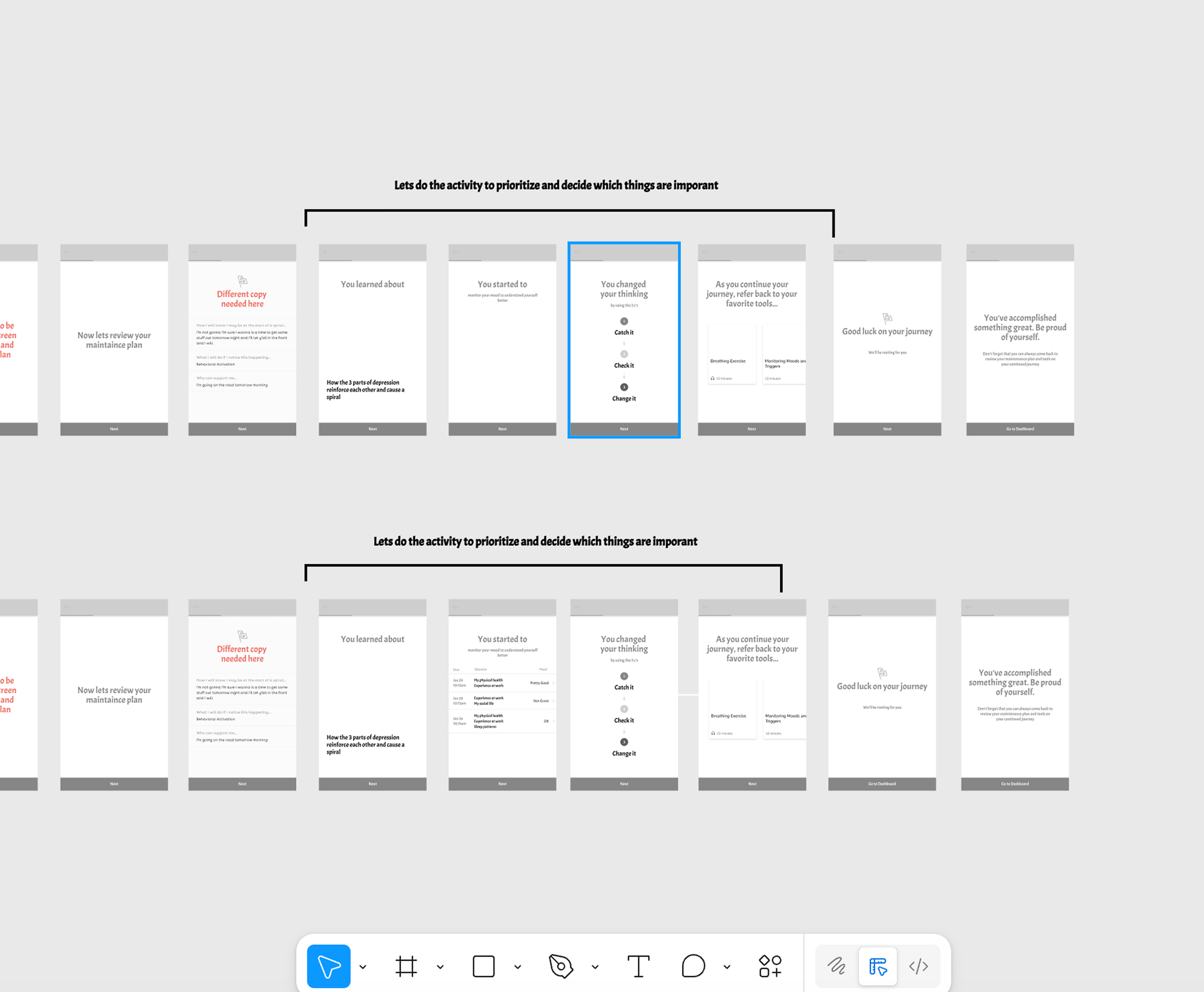
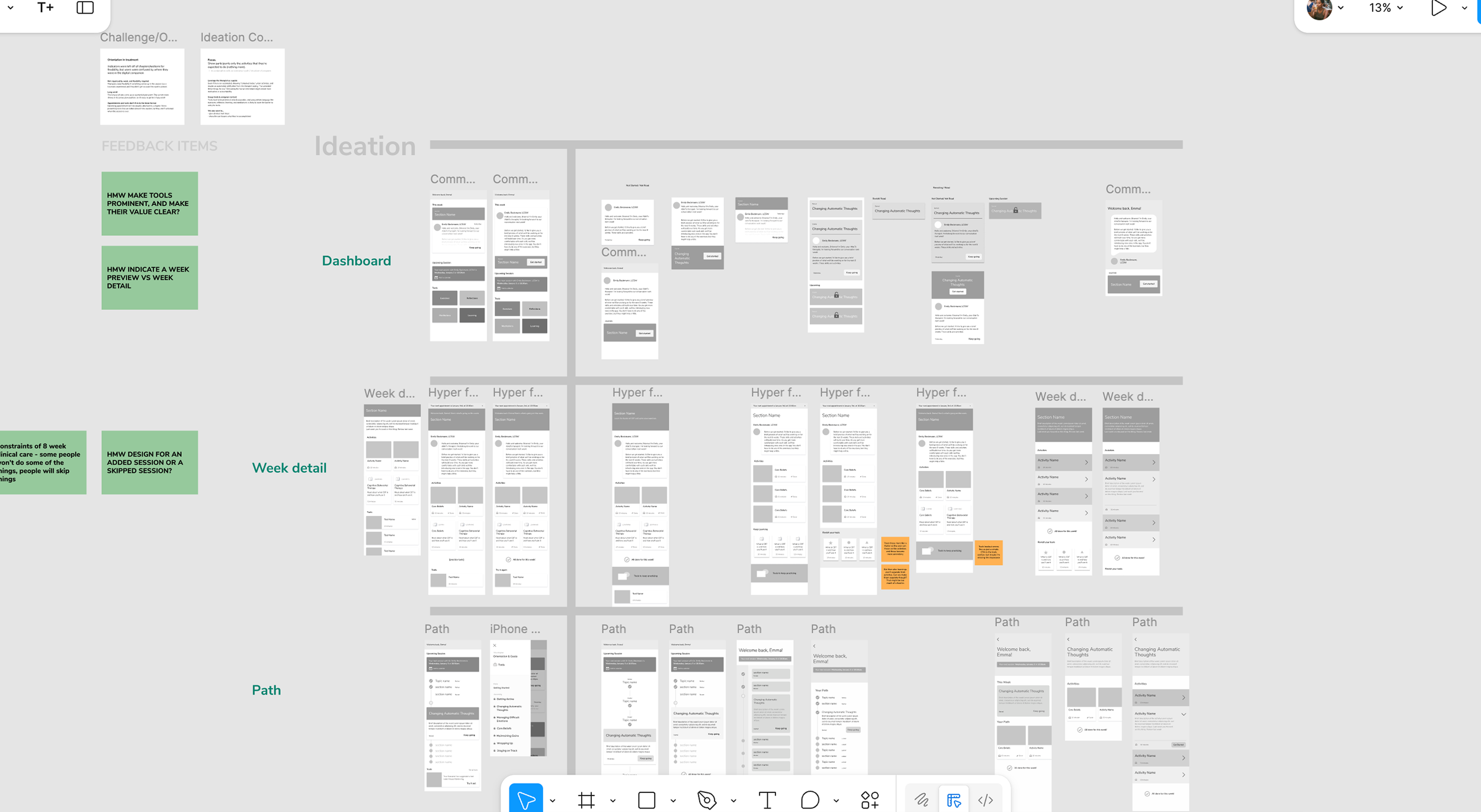
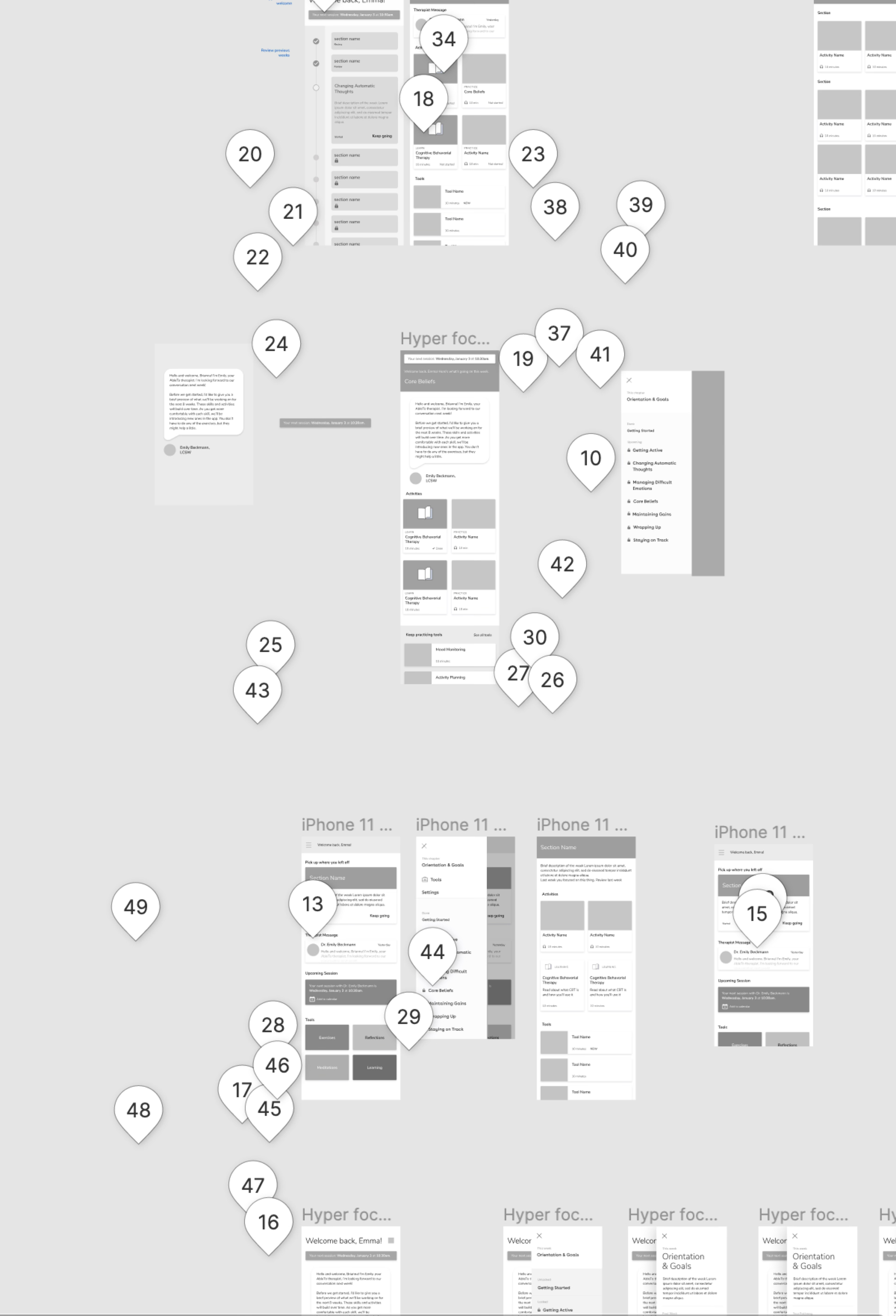
Insights from the audit informed early concepts, which were intentionally shaped alongside users rather than in isolation. Through feedback sessions and collaborative workshops, we co-created solutions with patients and providers, using their input to refine flows, validate ideas, and prioritize what mattered most.
Establishing a system for polish & implementation
3
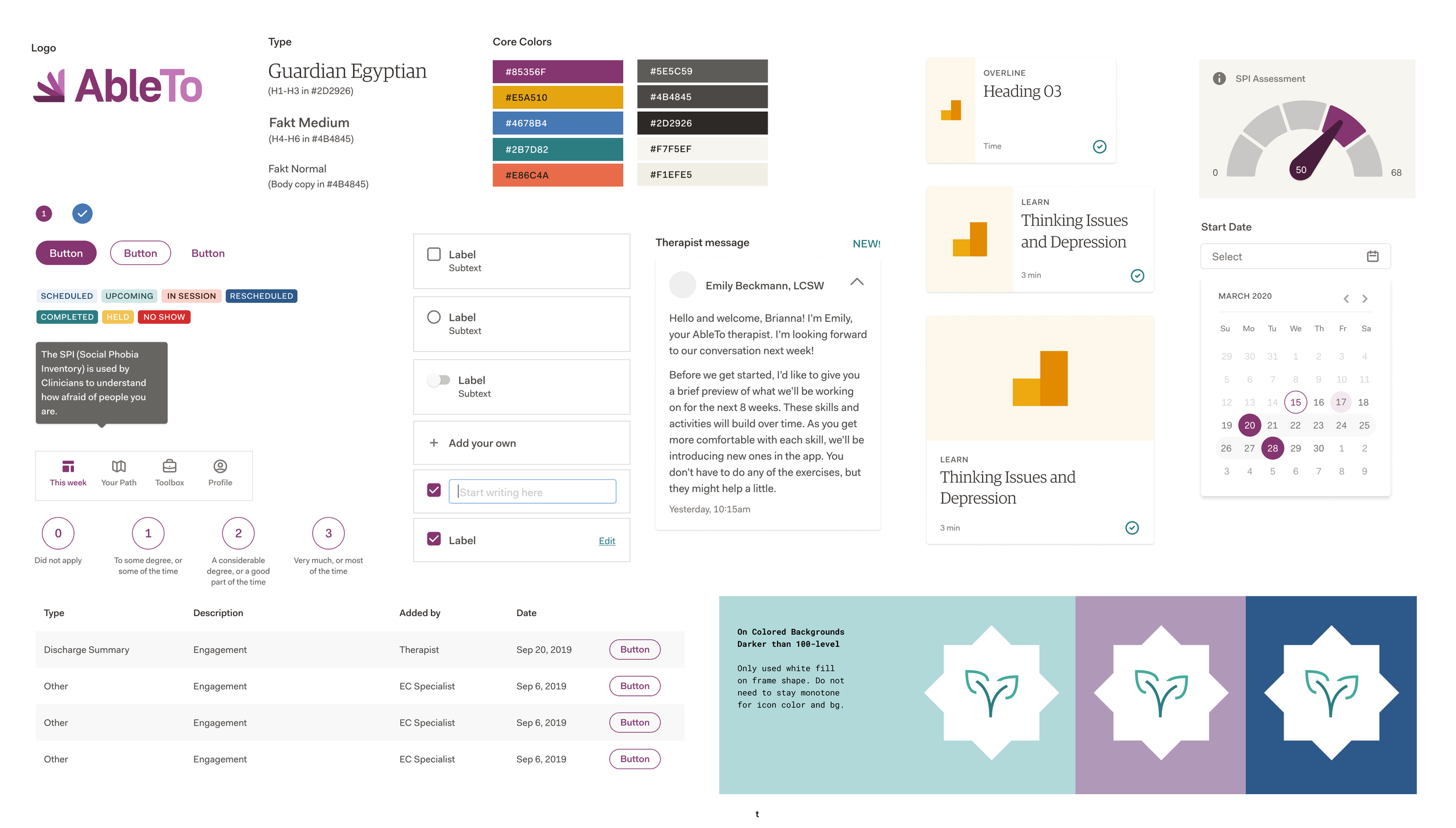
With validated concepts in place, the focus shifted to execution. The Therapy+ experience was aligned with the new brand system and integrated into a broader design system to support consistency and scalability. I partnered closely with product design lead and engineering to scope work, plan sprints, and document decisions, ensuring the redesign could be implemented effectively and evolve over time.
What this unlocks for usA scalable foundation for Therapy+ beyond its initial launch
User insight as a core driver of product and design decisions
Reusable systems that reduce design and execution debt
Alignment across design, product, and engineering teams
Momentum to continue evolving the product post-launch
What to learn more about the story?
•
Reach out!
•
What to learn more about the story? • Reach out! •